
Medications
Learn what current evidence says about cavernoma and medications, including blood thinners, aspirin, statins, ibuprofen, HRT and other common medicines.
Table of Contents
This information is a general guide and does not replace medical advice. Decisions about medication should be made with your doctor, as advice may vary depending on factors such as your general health, other medications, and whether there has been a recent bleed from your cavernoma.
Medications can play an important role in managing symptoms, such as seizures, but there is currently no medicine that treats cavernoma itself or removes the risk of bleeding. Treatment for cavernoma itself may involve neurosurgery, stereotactic radiosurgery, or medical management to treat symptoms depending on your individual situation.
We are often asked whether it is safe to take certain medications if you have a cavernoma, particularly medicines that might affect bleeding. Below, we’ve brought together guidance on some of the medications people most commonly ask about.
Research into new and repurposed medicines is ongoing, and you can find a full overview on the Alliance to Cure treatment pipeline. Where we refer to limited evidence or a lack of data, this means there are currently no reliable research studies available to answer the question.
Statins
What are they?
Statins are medicines used to lower cholesterol, such as atorvastatin.
What do we know so far?
Statins have been studied in people with cavernoma, including in a clinical trial called AT CASH EPOC, which looked at atorvastatin. This research did not find any safety concerns. The study also found that atorvastatin did not reduce markers linked to bleeding.
“Current clinical guidelines say it is not known whether statins reduce the risk of bleeding or prevent new cavernomas from forming, but confirm they can be used when needed for other conditions such as high cholesterol.” CCM Care Guidelines

What does this mean in practice?
Statins are not used to treat cavernoma, but:
- they can be used when prescribed for other conditions
- research has helped provide reassurance about safety
- they have not been shown to reduce the risk of bleeding
- research in this area is ongoing
Beta Blockers
What are they?
Beta blockers are medicines used to treat conditions such as high blood pressure, heart problems and migraines.
What do we know so far?
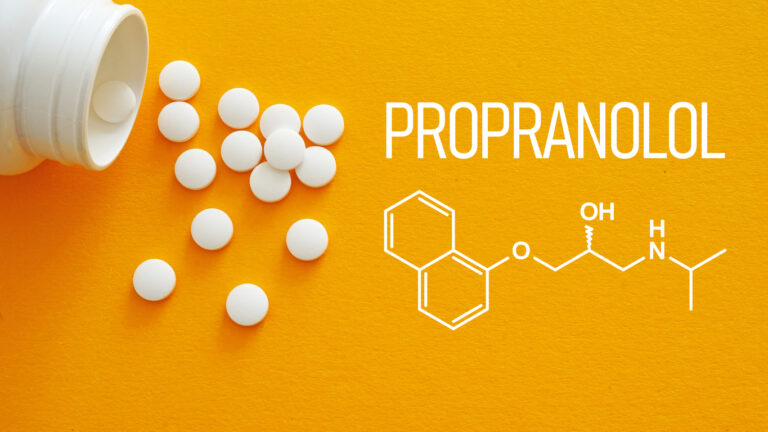
Propranolol has been studied in people with cavernoma, particularly those with the hereditary (familial) form of the condition.
A small clinical trial found that propranolol was safe and well tolerated at low doses, and the results were encouraging. However, the study was small, so it could not show clearly whether propranolol reduces bleeding or prevents new cavernomas from forming. Further research is needed before any conclusions can be drawn about its effectiveness.
“Propranolol is safe and tolerable at low doses in patients with familial cavernoma. The long-term effects on reducing bleeding or preventing new cavernomas are not yet clear.” CCM Care Guidelines
What does this mean in practice?
Beta blockers are not used as a standard treatment for cavernoma, but:
- they appear to be safe at low doses
- they may be helpful, but this is not yet confirmed
- they can be used when prescribed for other conditions
- research in this area is ongoing
Blood Thinners
What are they?
Blood thinners, also called antithrombotic medicines, reduce the risk of blood clots. They include antiplatelet medicines such as aspirin and clopidogrel, and anticoagulants such as warfarin, apixaban and rivaroxaban. These medicines are often prescribed for other health conditions, such as stroke prevention, heart rhythm problems or blood clots.
What do we know so far?
In the past, people with cavernoma were often advised to avoid blood thinners. Current guidance is now clearer: “The presence of CM should not preclude their use if deemed necessary.” CCM Care Guidelines. This means that cavernoma should not, on its own, prevent the use of blood thinners when they are needed.
Research looking at people with cavernoma found that people already taking these medications had a lower risk of bleeding from their cavernoma than people not taking these medications. Most of the people in these studies were taking aspirin. These findings have not been investigated in a randomised clinical trial, which is the fairest test of treatment.
A clinical trial, CARE-Aspirin, is planned in the UK to compare aspirin with placebo in people with symptomatic cavernoma. It is due to start in 2027.

What does this mean in practice?
- blood thinners can be used when needed for other conditions
- cavernoma should not, on its own, prevent their use
- there’s a lower risk of bleeding with aspirin in studies to date
- the possible benefit of aspirin needs to be investigated in a clinical trial
NSAIDs
What are they?
NSAIDs (Non-Steroidal Anti-Inflammatory Drugs) are anti-inflammatory painkillers such as ibuprofen, naproxen and diclofenac.
What do we know so far?
One published study looking at headache medications in people with cavernoma did not find an increased risk of bleeding in those taking NSAIDs after diagnosis.
However, the available research is limited, with no large or definitive studies available, and this is reflected in the clinical guidance, which states: “The use of non-aspirin NSAIDs can be used with caution” in patients with a cavernoma that has not bled.” CCM Care Guidelines
What does this mean in practice?
NSAIDs may still be an option for some people, but:
- the guidance specifically applies to non-aspirin NSAIDs
- it applies to people without a prior cavernoma bleed
- they are not considered contraindicated, but the evidence is limited
Hormone Therapy
Hormone therapy includes medicines used for contraception (such as the pill or contraceptive patch) and to manage menopause symptoms (hormone replacement therapy or HRT).
We have a dedicated Hormone therapy and cavernoma page here, which explains the current evidence and what it means for people living with cavernoma.

Other Medications
There are many other medications people ask about that are not listed above. In most cases, these medicines have not been studied in cavernoma in reliable research studies, but they are also not generally considered contraindicated, meaning they are not automatically ruled out.
This includes a wide range of treatments for other health conditions, such as sexual health (for example sildenafil, also known as Viagra), weight loss medications (such as semaglutide, including brands like Ozempic and Wegovy), and other commonly prescribed medicines.
What does this mean in practice?
- these medications can be used if needed for other conditions
- there is currently no reliable research evidence showing they need to be avoided because of cavernoma
- decisions should always be based on your overall health and discussed with your doctor
Supplements and alternative medicines
People also ask about supplements and alternative therapies, such as herbal products or natural remedies like Lion’s Mane.
There is currently no reliable research evidence to guide whether these help, harm, or have any effect on bleeding risk in people with cavernoma.
Because of this uncertainty, it is best to discuss any supplements or alternative therapies with your doctor before taking them.